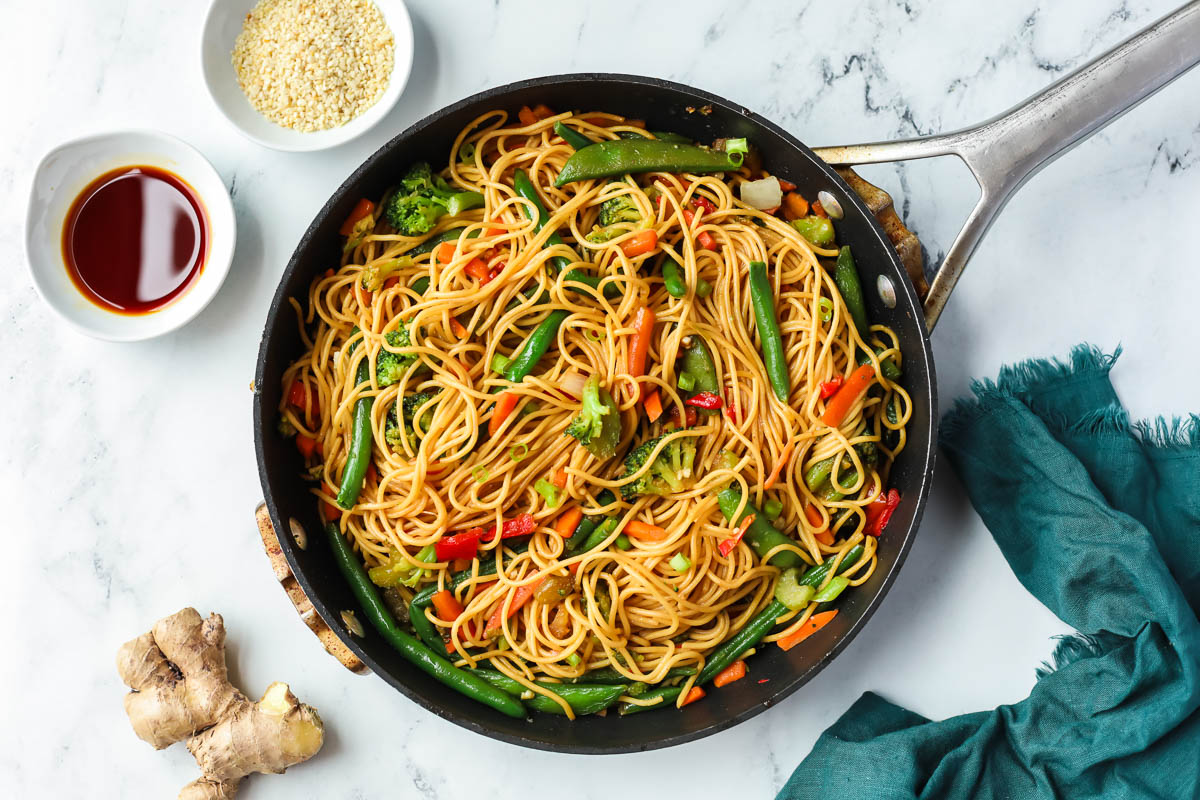
The Irresistible Allure of Homemade Vegetable Lo Mein: A Healthier Takeout Favorite
Craving the comforting, slurp-worthy noodles of your favorite takeout but wishing for a healthier, more transparent option? Look no further than homemade Easy Vegetable Lo Mein! This culinary gem is not just a quick weeknight solution; it's a vibrant, wholesome dish designed to satisfy cravings while secretly boosting your family's vegetable intake, making it an absolute winner for parents aiming to get kids to eat their veggies without a fuss. Forget the mystery ingredients and excessive oil of restaurant versions – with this recipe, you're in complete control, creating a truly nourishing meal that's bursting with fresh flavor.
Our goal today is to dive into the world of homemade vegetable lo mein, a dish that transforms a simple stir-fry into an exciting culinary adventure. It's a testament to how easily a classic can be made both healthier and more delicious right in your own kitchen. Prepare for a meal that's savory, a touch sweet, optionally spicy, and wonderfully earthy, ensuring every bite keeps you coming back for more.
Beyond the Takeout Box: Why Homemade Lo Mein Reigns Supreme
While the convenience of takeout is undeniable, the peace of mind that comes from cooking at home is invaluable. When you prepare your own healthy vegetable lo mein, you eliminate concerns about excessive oil, MSG, and other additives that can often leave you feeling sluggish or unwell. This homemade approach allows you to focus on fresh, high-quality ingredients, transforming a usually indulgent dish into a satisfying meal that aligns perfectly with multiple health goals.
Imagine a quick 20-minute Chinese noodle stir-fry that's packed with a colorful array of vegetables and a customizable, delicious soy-based sauce. That's the power of homemade lo mein! By choosing low glycemic index carbohydrates, such as whole wheat or rice noodles, and loading up on green vegetables, you create a dish that's not only incredibly satisfying but also rich in fiber, vitamins, and minerals. It's a fantastic way to ensure your family enjoys a balanced meal that's both flavorful and genuinely good for them. Plus, it's incredibly versatile – perfect for a vegan weekday meal, especially when paired with a side of spicy garlic cucumber pickles, adding an extra layer of crunch and flavor.
Unlocking Flavor and Flexibility: Your "Clean Out The Fridge" Meal
One of the most appealing aspects of a great vegetable lo mein recipe is its incredible flexibility. It's often referred to as a "clean out your refrigerator moment," and for good reason! Just like many other stir-fry dishes, this recipe encourages you to utilize whatever fresh vegetables you have lingering in your crisper drawer. This not only minimizes food waste but also means you can enjoy a slightly different version of lo mein every time you make it, keeping things fresh and exciting.
The key to a successful stir-fry, regardless of your chosen vegetables, lies in preparation. Ensure all your vegetables are cut up about the same size, ideally thinly sliced or julienned. This promotes even cooking and ensures every bite offers a pleasant texture. While mushrooms, carrots, bell peppers, snap peas, and green onions are classic choices, don't hesitate to experiment! Broccoli florets, bok choy, spinach, zucchini, cabbage, snow peas, water chestnuts, or even corn can all find a happy home in your lo mein. If you can get your hands on fresh mung bean sprouts, they add a delightful crunch and freshness that elevates the dish even further.
The beauty of this customizability extends beyond the veggies. You can adjust the sauce to hit all your desired flavor notes – a little savory, a little sweet, a little spicy, and a little earthy. This balance is what makes lo mein so addictive, ensuring your mouth is excited to keep slurping these delicious noodles.
Kid-Friendly Secrets: Getting Them to Devour Their Greens
The title says it all: Easy Vegetable Lo Mein: Get Kids to Eat Their Veggies! This dish is a secret weapon for parents. The combination of slippery noodles and flavorful sauce makes vegetables much more appealing to picky eaters. The trick is to integrate the vegetables seamlessly and perhaps even make it a fun activity.
- Involve Them in the Process: Let kids choose which vegetables to add (from a pre-approved list, of course!). They can help wash veggies, snap snap peas, or even (with supervision) julienne softer items like bell peppers with a kid-safe knife. Kids are more likely to eat what they help create.
- Fun Shapes and Colors: Cut carrots into "coins" or bell peppers into strips. The vibrant colors of vegetables like red bell peppers, green broccoli, and orange carrots can be visually appealing.
- "Hide" Some Veggies: Finely shred or mince vegetables like cabbage, zucchini, or carrots so they blend into the noodle mix, making them less noticeable while still contributing nutrients.
- Adjust the Ratio: Don't be afraid to increase the vegetable-to-noodle ratio significantly. The more vegetables, the healthier the dish, and the noodles act as a delicious vehicle for them.
- Customize the Sauce: Tailor the sauce to their palate. If they're sensitive to spice, keep it mild. If they like a hint of sweetness, add a touch more sugar or maple syrup.
- Lead by Example: Show enthusiasm for the vegetables yourself! Kids often mimic their parents' eating habits.
With these strategies, your kid-friendly vegetable lo mein won't just be a meal; it'll be a triumph of healthy eating!
Crafting Your Perfect Lo Mein: Customization and Essential Ingredients
The beauty of homemade vegetable lo mein lies in its adjustability, allowing you to fine-tune every element to suit your taste preferences and dietary needs. The process begins with your noodles: cook them according to package instructions, then drain and set aside. From there, it's all about the sauce and your chosen add-ins.
Mastering the Sauce: Sweet, Savory, or Spicy?
The sauce is the heart of your lo mein, and getting it just right is key. This is where you control the balance of savory, sweet, and spicy notes:
- Savory Adjustment: The primary savory component comes from soy sauce. If you prefer it less salty, you can reduce the amount slightly or opt for low-sodium soy sauce. For those with a gluten-free allergy, tamari is an excellent, readily available alternative that maintains the rich umami flavor. Pair it with gluten-free rice noodles to keep the dish entirely celiac-friendly.
- Sweetness Factor: A dash of sugar (or a sugar alternative like maple syrup or a dash of honey) balances the soy sauce beautifully. If you like your lo mein on the sweeter side, don't hesitate to add a little extra.
- Bringing the Heat: For spice lovers, garlic chili sauce (like Sriracha) and a pinch of white pepper are your best friends. Start with a modest amount and taste, then gradually increase to your desired heat level. A drizzle of chili oil at the end can also add a fantastic spicy kick and sheen.
Remember, the goal is to make it "just the way you like it," so continuous tasting and adjusting are encouraged!
Your Essential Asian Pantry Staples
You don't need a specialty Asian grocery store to create an authentic-tasting vegetable lo mein. There are just a handful of "survival ingredients" that form the backbone of many Asian recipes, and they are increasingly mainstream at standard Western grocery stores:
- Sesame Oil: Used sparingly as a finishing oil for its distinct nutty aroma, rather than for frying.
- Soy Sauce (or Tamari): The essential savory base. If you have access to dark soy sauce, which is thicker, less salty, and provides a rich color (almost a molasses-like texture from longer preservation), you can use half regular and half dark soy sauce for added depth. However, for simplicity, regular soy sauce works perfectly fine.
- Chili Sauce (e.g., Sriracha): For customizable heat and a tangy, garlicky flavor.
- Shaoxing Rice Wine (or Dry Sherry): Adds a crucial layer of depth and complexity. Dry sherry is a good substitute if you can't find Shaoxing wine.
- Fresh Garlic and Ginger: These aromatics are non-negotiable for their fresh, pungent flavors that truly define Asian cuisine.
Having these basic ingredients on hand will not only enable you to make fantastic lo mein but also open the door to countless other quick and delicious Asian-inspired meals.
Conclusion
Mastering Easy Vegetable Lo Mein at home is more than just learning a recipe; it's about embracing a philosophy of healthier, more mindful eating without sacrificing flavor or convenience. This "better than takeout" dish empowers you to control ingredients, customize flavors to perfection, and most importantly, encourage even the pickiest eaters to enjoy a vibrant array of vegetables. So next time you're contemplating a quick weeknight meal or a "Meatless Monday" option, remember the versatility and deliciousness of homemade vegetable lo mein. It's a satisfying, healthy, and incredibly easy dish that promises to become a cherished favorite in your family's culinary repertoire.
