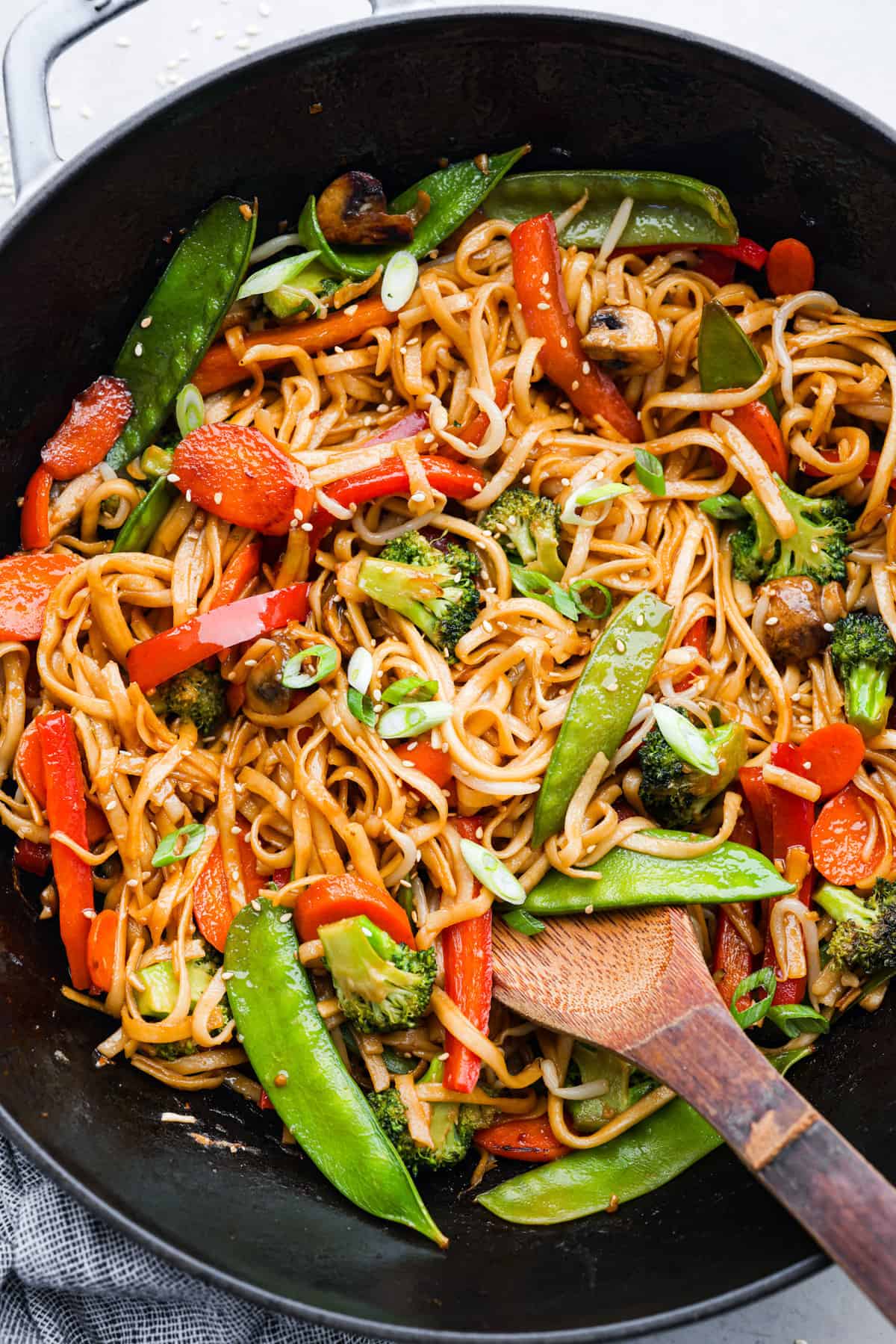
Quick 20-Minute Vegetable Lo Mein: Your Customizable Weeknight Hero
Are you constantly battling the weeknight dinner dilemma, torn between the convenience of takeout and the desire for a healthy, homemade meal? Imagine a dish that satisfies your craving for savory, comforting flavors, comes together in just 20 minutes, and is packed with wholesome vegetables – all while being perfectly customizable to your taste and dietary needs. Look no further than homemade
vegetable lo mein. This classic Chinese noodle stir-fry is not just a meal; it's a culinary philosophy that embraces health, speed, and delicious versatility, making it the ultimate weeknight hero.
Forget the greasy, often additive-laden versions from your local takeout joint. Our quick
vegetable lo mein recipe focuses on fresh ingredients, vibrant greens, and low glycemic index carbohydrates, ensuring a meal that is both satisfying and aligned with modern health goals. It's a dish that proves you don't need to sacrifice flavor or convenience for a nutritious dinner.
Why Homemade Vegetable Lo Mein Trumps Takeout Every Time
The allure of ordering in is strong, especially after a long day. However, preparing your own
vegetable lo mein at home offers a multitude of benefits that takeout simply can't match.
First and foremost,
control over ingredients. When you cook at home, you know exactly what goes into your food. This means you can avoid excessive oils, unwanted MSG, and other additives that can often leave you feeling sluggish or unwell. Instead, you can focus on fresh, high-quality produce and lean sauces, transforming a traditional comfort food into a genuinely healthy option. This level of transparency is invaluable, especially for those with specific dietary sensitivities or health goals.
Secondly,
unparalleled freshness and customization. Unlike the fixed menus of restaurants, your kitchen is a canvas for culinary creativity. This
vegetable lo mein recipe is the epitome of a "clean out your refrigerator moment." Have a handful of bell peppers, some wilting spinach, or forgotten snap peas in your crisper? Perfect! They're all welcome additions. This adaptability not only reduces food waste but also allows you to tailor the dish to your personal preferences or what's in season. If you have someone with a gluten-free allergy in your household, it’s simple to use tamari and gluten-free rice noodles. For those following a vegan lifestyle, ensure your sauce components are plant-based, and you're good to go.
Finally,
cost-effectiveness and speed. Making
vegetable lo mein at home is almost always more economical than ordering takeout, especially when you leverage ingredients you already have. And with a mere 20-minute cook time, it's often faster than waiting for delivery! This combination of health, customization, and efficiency truly makes homemade
vegetable lo mein the superior choice for any busy weeknight. For more insights on crafting a healthier, additive-free version, check out our guide on
Healthier Vegetable Lo Mein: Better Than Takeout, No MSG.
Crafting Your Perfect 20-Minute Vegetable Lo Mein
The magic of a great
vegetable lo mein lies in its simplicity and the vibrant interplay of textures and flavors. Here's how to build your ultimate bowl:
The "Clean Out Your Fridge" Vegetable Powerhouse
The beauty of
vegetable lo mein is its incredible versatility. Any vegetables you have on hand can likely find a happy home in this dish. The key is uniform cutting. Thinly sliced or julienned vegetables cook quickly and evenly, contributing to that perfect stir-fry texture.
*
Classic Choices: Carrots, bell peppers (any color), mushrooms (shiitake, cremini), snap peas, and green onions are fantastic staples.
*
Leafy Greens: Spinach, bok choy, or napa cabbage wilt beautifully and add a nutritional boost.
*
Unique Additions: Broccoli florets, corn, water chestnuts, bamboo shoots, or even thinly sliced zucchini can work wonders. If you can get your hands on fresh mung bean sprouts, they add a delightful crunch.
Noodle Know-How
Lo mein typically uses fresh or dried egg noodles, which are chewy and absorb sauce wonderfully. However, you have options:
*
Traditional Lo Mein Noodles: Follow package instructions for cooking. They should be cooked al dente, then drained and rinsed to prevent sticking.
*
Gluten-Free Alternatives: Rice noodles or even gluten-free spaghetti can be excellent substitutes, allowing everyone to enjoy this delicious meal.
The Essential Lo Mein Sauce: The Heart of the Dish
A truly great
vegetable lo mein sauce balances savory, sweet, and a touch of heat, creating that irresistible slurp-worthy experience. Many Asian-inspired dishes rely on a core set of pantry staples, which are now widely available in most Western grocery stores.
*
Soy Sauce: The backbone of the sauce. For gluten-free needs,
tamari is an excellent substitute. If you have access to both regular and dark soy sauce, a 50/50 blend offers a deeper color and richer flavor (dark soy sauce is less salty and has a molasses-like texture, while regular soy sauce is lighter and saltier). However, for simplicity, regular soy sauce works perfectly.
*
Sesame Oil: Adds a nutty, aromatic depth. Best added at the end or used sparingly for stir-frying.
*
Chili Sauce: Sriracha or a garlic chili sauce brings the heat. Adjust to your preference.
*
Shaoxing Rice Wine: A crucial ingredient for authentic Chinese flavor. If unavailable, a dry sherry makes a good substitute.
*
Fresh Aromatics: Plenty of minced garlic and grated fresh ginger are non-negotiable for their pungent, warming notes.
*
Sweetener: A touch of sugar or a sugar alternative balances the saltiness and acidity.
*
Optional: A splash of rice vinegar for brightness, or a cornstarch slurry for a slightly thicker sauce.
Customizing Your Sauce:
This is where your palate takes the lead!
*
More Spicy? Increase the garlic chili sauce or add a pinch of white pepper or chili oil.
*
Sweeter? Add a dash more sugar or alternative sweetener.
*
More or Less Savory? Adjust the soy sauce to your liking. Remember, you can always add more, but you can't take it away!
Step-by-Step Guide to Your Weeknight Vegetable Lo Mein Success
With your ingredients gathered and prepped, this dish truly comes together in a flash.
1.
Noodle Prep: Cook your chosen noodles according to package instructions until al dente. Drain them thoroughly and rinse with cold water to prevent sticking. A little drizzle of sesame oil tossed through them can also help. Set aside.
2.
Sauce Creation: In a small bowl, whisk together all your sauce ingredients (soy sauce/tamari, rice wine/sherry, sesame oil, chili sauce, sugar, minced garlic, grated ginger). Taste and adjust to your preferred balance of sweet, savory, and spicy.
3.
Veggie Power: Heat a large wok or skillet over high heat. Add a tablespoon of neutral oil (like canola or peanut). Once shimmering, add your harder vegetables first (e.g., carrots, bell peppers, broccoli). Stir-fry for 2-3 minutes until they begin to soften.
4.
Aromatics & Softer Veggies: Add any remaining aromatics (if not already in the sauce) and softer vegetables (e.g., mushrooms, snap peas, spinach). Stir-fry for another 1-2 minutes until vibrant and tender-crisp.
5.
Combine & Toss: Add the cooked, drained noodles to the wok with the vegetables. Pour the prepared sauce over everything. Using tongs, toss continuously for 1-2 minutes, ensuring the noodles and vegetables are thoroughly coated in the sauce and heated through.
6.
Serve Immediately: Garnish with sliced green onions or fresh cilantro if desired. This
vegetable lo mein is best enjoyed fresh off the wok!
For an extra layer of flavor and texture, consider serving your
vegetable lo mein with a side of spicy garlic cucumber pickles, a perfect crunchy counterpoint to the rich noodles.
Tips for Elevating Your Vegetable Lo Mein and Making it a Family Favorite
Beyond the basic recipe, there are several ways to make your
vegetable lo mein even better and appeal to diverse palates.
*
Increase the Veggie-to-Noodle Ratio: This is a fantastic strategy to boost nutrition and is often a subtle way to encourage children to eat more greens without them even realizing it. The vibrant colors and fun slurping experience of the noodles can be incredibly appealing. For more creative ideas on integrating vegetables into kid-friendly meals, explore our article
Easy Vegetable Lo Mein: Get Kids to Eat Their Veggies!.
*
Achieve the Perfect Noodle Texture: Don't overcook your noodles initially; they'll continue to cook slightly in the wok. Rinsing them after draining prevents them from becoming gummy.
*
High Heat is Key: For a true stir-fry, ensure your wok or skillet is very hot before adding ingredients. This creates that desirable "wok hei" (breath of the wok) flavor and ensures vegetables are crisp-tender, not soggy.
*
Meal Prep Smarts: You can chop all your vegetables and mix your sauce ahead of time, storing them in the refrigerator. Cook the noodles just before you're ready to stir-fry for the freshest results.
*
Consider Protein Additions: While this article focuses on
vegetable lo mein, you can easily add cooked tofu, tempeh, or edamame for an extra protein boost, keeping it plant-based. For non-vegan options, thinly sliced chicken, shrimp, or beef can also be incorporated.
In conclusion, our quick 20-minute
vegetable lo mein offers a dynamic and delicious solution to the perpetual question of what's for dinner. It's proof that a satisfying, healthful meal doesn't have to be complicated or time-consuming. By taking control of your ingredients, customizing flavors to your exact preference, and embracing the "clean out your fridge" philosophy, you'll discover a beloved dish that is truly better than takeout. So, gather your ingredients, fire up your wok, and get ready to slurp your way to a fresh, flavorful, and incredibly easy weeknight meal. You'll wonder why you ever ordered in!