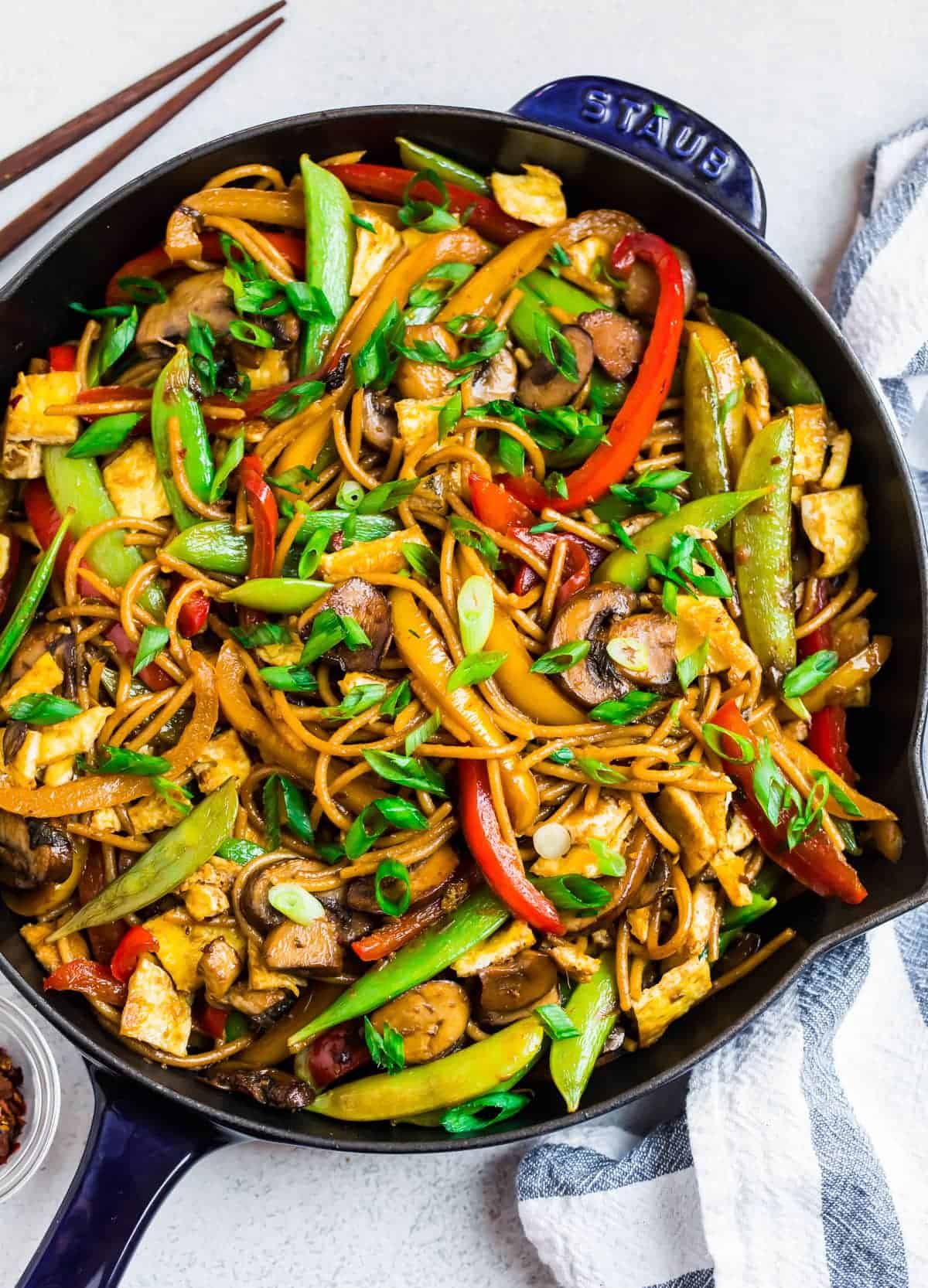
Discover the Secret to Healthier Vegetable Lo Mein: Better Than Takeout, No MSG
Are you a fan of classic Chinese takeout, but often find yourself wondering about the ingredients, the oil content, or the infamous MSG? What if we told you that you could enjoy a deeply satisfying, incredibly flavorful, and unequivocally healthier version of your favorite vegetable lo mein right in your own kitchen? It's not just possible; it's surprisingly easy, quick, and customizable, making it the ultimate weeknight meal that triumphs over any restaurant rendition.
Our homemade vegetable lo mein recipe is designed not only to tantalize your taste buds with its perfect balance of savory, sweet, spicy, and earthy notes, but also to align seamlessly with your health goals. Packed with vibrant green vegetables and utilizing lower glycaemic index carbohydrates, this dish is a delicious testament to the fact that healthy eating never has to mean sacrificing flavor. Say goodbye to the post-takeout sluggishness and hello to a meal that leaves you feeling energized and nourished.
Why Homemade Vegetable Lo Mein Reigns Supreme Over Takeout
The allure of ordering in is undeniable after a long day, but when it comes to dishes like vegetable lo mein, the benefits of cooking at home far outweigh the convenience. The core advantage lies in one simple fact: control.
Uncompromised Control Over Ingredients and Health Benefits
When you prepare your own food, you know exactly what goes into it. This transparency is crucial, especially for those who are health-conscious or have dietary sensitivities. Many commercial eateries, in a bid to enhance flavor and shelf life, often use excessive amounts of oil, artificial flavor enhancers, and, of course, MSG (monosodium glutamate). While MSG is generally recognized as safe, many individuals report adverse reactions, from headaches to palpitations, often referred to as "Chinese Restaurant Syndrome." By making your vegetable lo mein at home, you eliminate these concerns entirely.
- No MSG: Enjoy pure, unadulterated flavors without relying on artificial enhancers.
- Less Oil: You dictate the amount of cooking oil, ensuring a lighter, healthier dish.
- Fresh Vegetables: Incorporate a generous amount of fresh, high-quality vegetables, boosting fiber, vitamins, and minerals. This focus on green vegetables and low glycaemic index carbohydrates makes it a satisfying choice that supports various health objectives.
- Dietary Customization: Tailor the dish to specific needs. For instance, individuals with gluten sensitivities can easily use tamari (gluten-free soy sauce) and gluten-free rice noodles, ensuring everyone can enjoy this delicious meal.
The Art of the Customizable Vegetable Lo Mein: A "Clean Out Your Refrigerator" Meal
One of the most appealing aspects of a homemade vegetable lo mein is its incredible versatility. This isn't just a recipe; it's an opportunity for a "clean out your refrigerator" moment, transforming whatever lingering produce you have into a gourmet experience. Just like a great fried rice, almost any vegetable can find a happy home in this stir-fry.
Endless Vegetable Possibilities
Don't feel limited to a specific list. While carrots, bell peppers, mushrooms, snap peas, and green onions are classic choices, feel free to get creative. Have some broccoli florets, zucchini, or even a handful of spinach? Toss them in! Fresh mung bean sprouts add a delightful crunch and freshness, if you can find them. The key is to cut all your vegetables into roughly the same size, preferably thinly sliced or julienned, to ensure even cooking.
This dish is also a fantastic way to encourage healthier eating habits for the whole family. Loading up your vegetable lo mein with colorful produce can make vegetables more appealing, even to the pickiest eaters. For more ideas on how to make veggies disappear deliciously, check out our guide on Easy Vegetable Lo Mein: Get Kids to Eat Their Veggies!
Mastering Your Flavor Profile
Beyond the vegetables, the beauty of homemade lo mein lies in your ability to perfectly balance its flavor profile. Do you crave more heat, a touch more sweetness, or a deeper savory note? It's all in your hands!
- Bring on the Heat: Increase the amount of garlic chili sauce (like Sriracha) or add a dash of chili oil for a fiery kick. A pinch of white pepper can also add a subtle warmth.
- Sweet Satisfaction: For those who prefer a sweeter profile, a little extra sugar or a sugar alternative can do wonders.
- Savory Depth: Adjust the soy sauce to your liking for more or less saltiness. Remember, you can always add more, but you can't take it away!
- Earthy Notes: Fresh ginger and garlic provide an aromatic base that grounds the dish with an authentic, earthy flavor.
Essential Pantry Staples for Your Asian Culinary Adventure
Crafting exceptional Asian cuisine at home often relies on a handful of foundational ingredients that, once stocked, open up a world of culinary possibilities. These "survival ingredients" are becoming increasingly mainstream and are readily available at most standard Western grocery stores.
The Core Flavor Powerhouses
To create a truly authentic and delicious vegetable lo mein, ensure your pantry is equipped with these staples:
- Sesame Oil: Primarily used for its distinct nutty aroma rather than for cooking at high heat. A drizzle at the end adds incredible depth.
- Soy Sauce (or Tamari): The backbone of many Asian dishes. Regular soy sauce is generally lighter in texture and saltier. For a gluten-free option, always opt for tamari, which offers a similar rich umami flavor without the wheat.
- Chili Sauce (e.g., Sriracha): Provides that irresistible kick. Adjust to your personal spice preference.
- Shaoxing Rice Wine (or Dry Sherry): Essential for adding a complex, slightly sweet and savory depth to stir-fries. A dry sherry can serve as an excellent substitute.
- Fresh Garlic and Ginger: These aromatic powerhouses are non-negotiable for building the base flavor of your lo mein. Always opt for fresh over powdered for the best results.
Understanding Soy Sauce Varieties
While regular soy sauce is perfectly adequate for this recipe and easy to find, you might encounter dark soy sauce. It's useful to know the difference:
- Regular Soy Sauce: Lighter in color and texture, and saltier. This is likely what you have in your pantry.
- Dark Soy Sauce: Thicker, darker (almost molasses-like), and less salty than regular soy sauce. It's often preserved longer, giving it a deeper color and a subtle sweetness. If you have access to it, using a 50/50 blend of regular and dark soy sauce can add beautiful color and a more nuanced flavor profile to your lo mein. However, to keep things simple and accessible, our recipe primarily focuses on ingredients found in your local market.
Assembling Your Healthier Vegetable Lo Mein: A Quick Guide
With your ingredients gathered and prepped, making your vegetable lo mein is a speedy process. The key to a successful stir-fry is mise en place – having all your ingredients chopped, sauces mixed, and noodles cooked before you even turn on the stove.
- Noodle Prep: Begin by cooking your lo mein noodles according to package instructions. Al dente is best. Once cooked, drain them well and set aside. A quick rinse with cold water can prevent sticking.
- Veggie Power: Get all your chosen vegetables thinly sliced and ready to go.
- Sauce Creation: Whisk together your soy sauce, Shaoxing wine, chili sauce, a touch of sugar, and sesame oil to create your delectable stir-fry sauce.
- The Stir-Fry: Heat your wok or large skillet over high heat. A little oil, then quickly sauté your aromatics (garlic and ginger), followed by your harder vegetables. Add softer vegetables towards the end. Finally, toss in the cooked noodles and pour over your sauce, stirring vigorously to coat everything evenly. The whole cooking process can be done in about 20 minutes!
Embrace the busy rhythm of life by turning to this satisfying dish. There's truly no better way to enjoy a delicious, flavorful meal that's both quick to make and incredibly healthy.
Conclusion: Your New Go-To Healthy Takeout Alternative
Homemade vegetable lo mein isn't just a meal; it's a testament to how simple, healthy, and incredibly delicious cooking at home can be. By taking control of your ingredients, customizing flavors, and packing in a rainbow of fresh vegetables, you create a dish that not only tastes better than anything you'd order from a restaurant but also nourishes your body without a trace of MSG or excessive unhealthy fats. So next time a craving for Chinese noodles strikes, skip the takeout menu and embark on your own culinary adventure. You'll be rewarded with a satisfying, vibrant, and utterly delightful meal that you can truly feel good about.
